Source Wide Body Fender Flares for SUVs, Trucks, and Off-Road
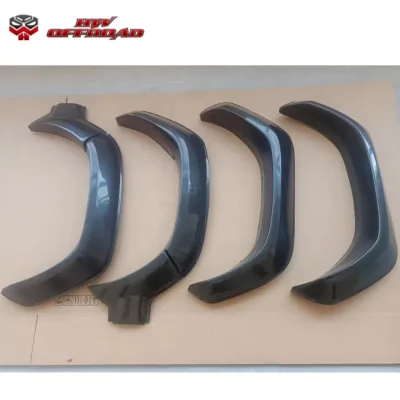
Compare 30 listings for wide body fender flares designed for SUVs, trucks, and off-road vehicles. Buyers can evaluate materials like ABS plastic, fitment for Defender models, and customization options to find suitable parts; compare the available evidence and request quotations based on your requirements.
Key considerations
Products List




Comprehensive Sourcing Guide
Wide Body Fender Flares Sourcing Guide
Buyers must first distinguish between generic plastic components and specialized wide-body kits designed for specific vehicle architectures. The observed market data indicates a strong focus on compatibility with the Defender 110 and 90 models from 2020 through 2024, alongside applications for SUVs and pickup trucks like the Fortuner. This specificity is critical because wide-body flares often require precise mounting points that differ significantly from standard factory fenders. Procurement teams should verify that the listed product explicitly states compatibility with their exact vehicle year and trim to avoid fitment failures.
The product scope also encompasses various finish options, including painted black, chrome, and multi-color selections like red or silver. While some listings describe the material as neutral or generic plastic, others specify high-strength ABS plastic, which offers superior durability against impact and weathering. Buyers should evaluate whether the supplier offers OEM-style or Revit-style designs, as this choice dictates the aesthetic integration with the vehicle's existing body lines. Understanding these material and stylistic variations ensures the selected parts meet both functional protection needs and the desired visual profile for the fleet or retail inventory.
Product Scope and Observed Listing Signals
Procurement teams should scrutinize the listed product names and descriptions to confirm they align with the intended wide-body application. The available data highlights specific identifiers such as "Left Rear Fender Flare" and "Chromed Kits-Fender Flare," which signal distinct product variations within the same category. It is essential to verify that the "Fit for" section explicitly matches the target vehicle model, as generic listings may not accommodate the wider track widths required for true wide-body modifications. Misinterpreting a standard fender flare as a wide-body component can lead to significant installation challenges and aesthetic mismatches.
Another critical signal involves the packaging and condition details provided in the listings. Most observed items are marked as "New" and come with specific packing standards, such as being wrapped in foam cottons or polybags within master cartons. These details are not merely logistical; they indicate the supplier's attention to preventing damage during transit, which is vital for large, fragile plastic components. Buyers should also check for mentions of included mountings or 3M tape, as the absence of these installation aids can increase labor costs and complicate the sourcing process for large orders.
Technical Specifications to Verify
Technical verification begins with confirming the material composition and structural integrity of the fender flares. While some listings simply state "Plastic," others specify "ABS Plastic," a material known for its high strength and light weight, which is preferable for wide-body applications that must withstand road debris. Buyers must ensure the supplier provides clear data on the material grade, as inferior plastics may crack under the stress of wider wheel arches or extreme weather conditions. The "High Strength and Light Weight" feature observed in some listings should be treated as a claim requiring independent validation through sample testing.
Dimensional accuracy is equally critical, as wide-body flares must align perfectly with the vehicle's wheel wells and suspension geometry. The observed data includes specific packing sizes and standard dimensions like 20x17x16cm or 37x28x16cm, which serve as proxies for the actual product footprint. However, buyers should request detailed engineering drawings or physical samples to verify the exact curvature and mounting hole patterns. Relying solely on generic standard sizes can result in gaps or misalignment, particularly when fitting parts to vehicles like the Defender or Fortuner where factory tolerances vary by model year.
Compliance and Safety Documentation
Compliance verification requires checking for recognized quality management certifications that validate the supplier's manufacturing processes. The observed listings mention ISO certification, which serves as a baseline indicator that the supplier adheres to international quality standards. However, buyers should not assume that ISO certification covers specific automotive safety requirements for wide-body modifications. It is necessary to request detailed documentation proving that the materials used are non-toxic and that the finished products meet relevant safety regulations for vehicle accessories in the target market.
Safety documentation also extends to the installation methods and the durability of the mounting systems. Some listings indicate that products come with mountings or utilize 3M tape for installation, which directly impacts the safety and reliability of the fitment. Buyers must verify that the adhesive or mechanical fasteners are rated for the specific environmental conditions the vehicle will encounter, such as high humidity or extreme temperatures. Without clear evidence of the mounting system's strength and longevity, there is a risk of the flares detaching during operation, posing a safety hazard to other road users.
Cost Drivers and Commercial Terms
Cost drivers for wide-body fender flares are heavily influenced by the material quality and the complexity of the molding process. ABS plastic components generally command a higher price than generic plastic due to their superior impact resistance and finish quality. Additionally, the observed price range of 1 to 13,200 USD suggests a vast disparity between basic components and fully finished, painted, or chrome-plated kits. Buyers should analyze whether the higher price points include value-added services like custom painting or specialized packaging, which can significantly affect the total landed cost.
Commercial terms such as Minimum Order Quantity (MOQ) and lead times are pivotal for budgeting and inventory planning. The observed MOQ ranges from 1 to 50 sets, with some specific listings indicating an MOQ of 30 sets, which can be a barrier for small-scale buyers. Furthermore, the "Neutral" packing and "Packed Into Carton" details suggest that shipping costs may vary based on the volume and weight of the order. Buyers should negotiate terms that align with their cash flow, ensuring that the MOQ does not force them to overstock inventory that could become obsolete if vehicle models change.
Supplier Qualification and Quality Control
Supplier qualification should focus on their ability to maintain consistent quality across large production runs. The observed data mentions that products are "100% Tested," which is a positive indicator of internal quality control measures. However, buyers must verify the scope of these tests to ensure they cover critical failure points like impact resistance and UV stability. Relying on a supplier's self-reported test results without third-party validation can lead to receiving batches with inconsistent quality, especially when sourcing from a market with a high volume of generic listings.
Quality control also involves assessing the supplier's ability to handle customization requests and maintain product consistency. The "Customization: Available" attribute suggests flexibility, but buyers should clarify the lead times and costs associated with custom molds or finishes. Additionally, the "Compatible with Original Parts" claim requires rigorous verification to ensure that the aftermarket flares do not interfere with the vehicle's original safety systems or aerodynamics. Establishing a clear quality assurance protocol with the supplier is essential to mitigate the risk of receiving defective or non-compliant products.
Long-Term Procurement Checks
Long-term procurement success depends on establishing a reliable supply chain that can adapt to changing vehicle models and market demands. Buyers should monitor the supplier's ability to provide updated parts for newer vehicle years, such as the 2024 Defender models, to ensure their inventory remains relevant. The "Replacement: Fashion Additional Parts" attribute indicates that these components are often subject to style trends, making it crucial to maintain a relationship with a supplier who can quickly pivot to new designs or materials.
Finally, buyers must implement a system for tracking product performance and customer feedback over time. Even with initial quality checks, long-term exposure to road conditions can reveal issues like fading, cracking, or mounting failures that were not apparent during the initial inspection. Establishing a feedback loop with end-users allows procurement teams to identify recurring quality issues and hold suppliers accountable for continuous improvement. This proactive approach ensures that the wide-body fender flares remain a reliable and profitable part of the product portfolio for years to come.
FAQs
What material are the wide body fender flares made of?
The wide body fender flares are constructed from high-strength ABS plastic. This material ensures they are lightweight yet durable for vehicle protection. The product is finished with a painted black coating to match vehicle aesthetics while resisting dirt and mud.
Which vehicles are compatible with these fender flares?
These flares are designed to fit Defender 110 and 90 models from 2020 to 2024. They are also compatible with original parts for SUVs and pickup trucks. The fitment ensures a secure installation using included mountings and 3M tape for stability.
Can I customize the color of the fender flares?
Yes, customization is available for these wide body fender flares. While standard options include black, red, and silver, buyers can request specific finishes. The product is new and comes with neutral packing to ensure safe transport during customization processes.
How are the fender flares packaged for shipping?
The flares are packed individually in polybags and then placed into master cartons. Some variants use foam cotton wrapping inside cartons for extra protection. This neutral packing method ensures the plastic components remain undamaged during international transit to various destinations.
What certifications do the manufacturers hold for these parts?
Manufacturers of these wide body fender flares hold ISO certification. This indicates adherence to international quality management standards. Every product undergoes 100% testing before shipment to guarantee it meets the required specifications for automotive applications and safety.
What is the minimum order quantity for these flares?
The minimum order quantity is 30 sets for this specific product line. However, observed listings show a broader range starting from one unit depending on the supplier. Buyers should verify specific MOQ requirements with vendors to ensure they meet procurement thresholds.
Do these flares come with installation hardware included?
Yes, the product comes with necessary mountings included in the package. Installation can be facilitated using 3M tape for a secure fit. This design simplifies the process for buyers who need to replace or upgrade their vehicle fenders quickly.